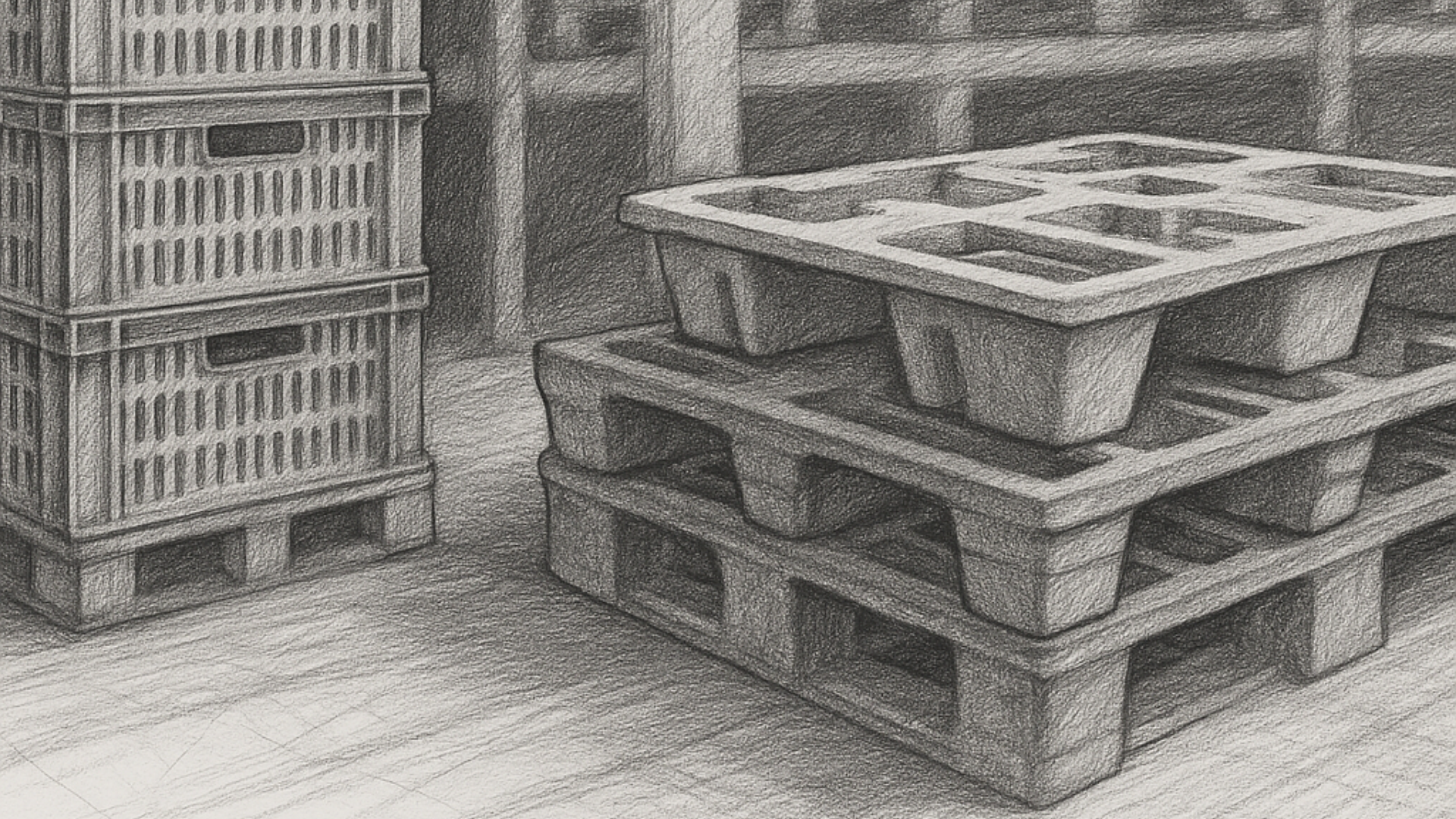
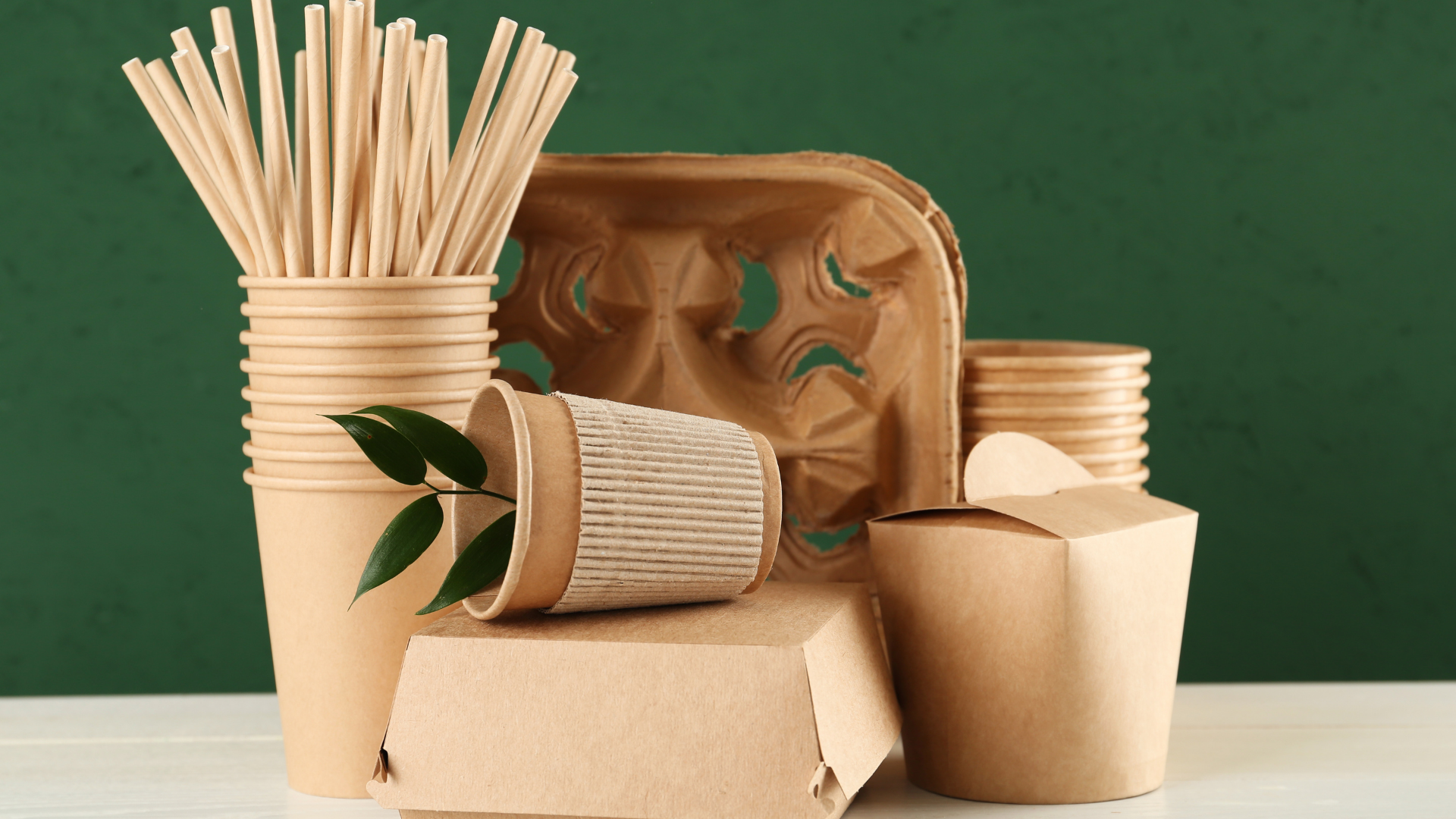
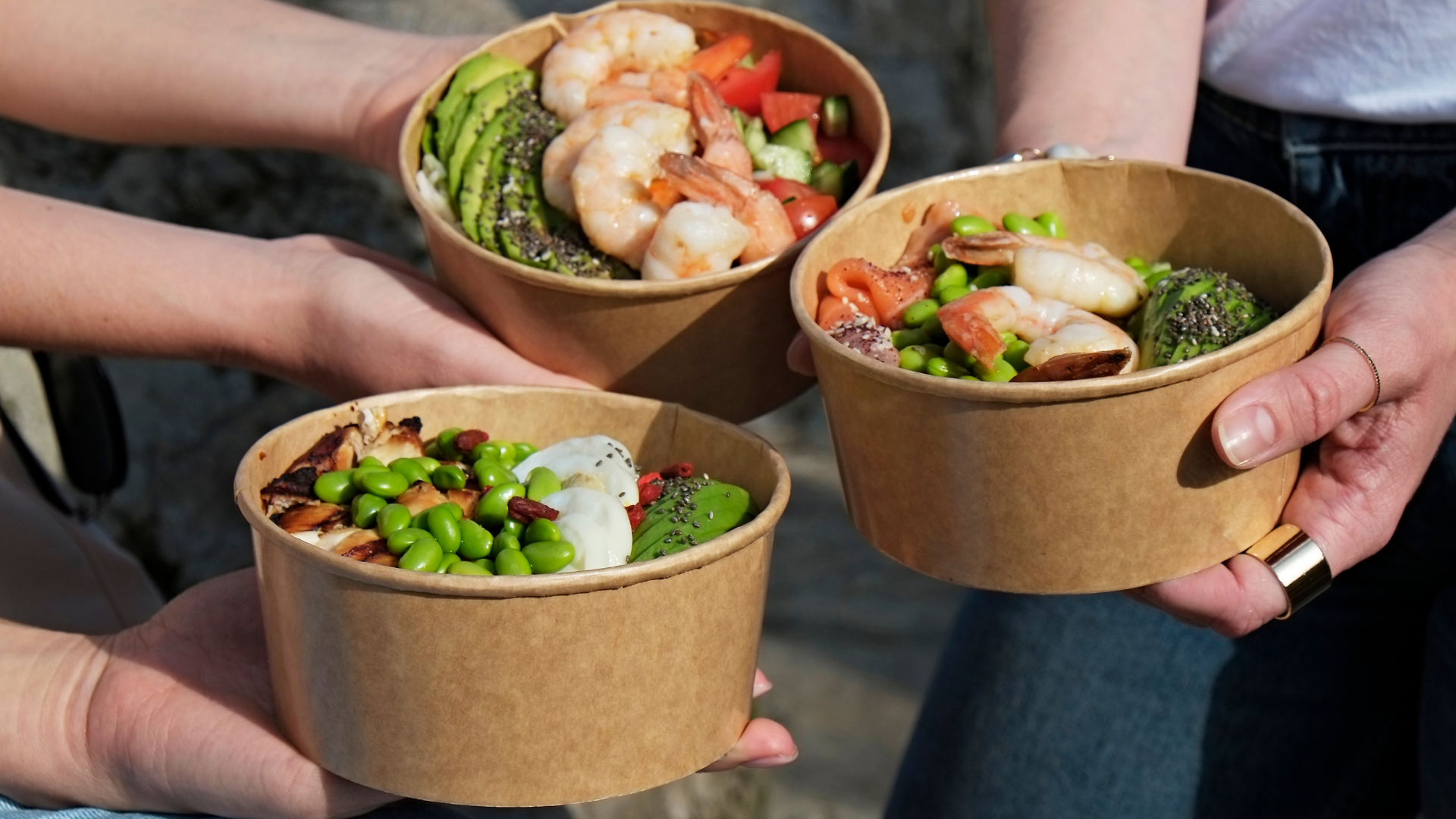
Circular packaging helps industrial buyers comply with new packaging waste and EPR (Extended Producer Responsibility) laws while reducing logistics costs....
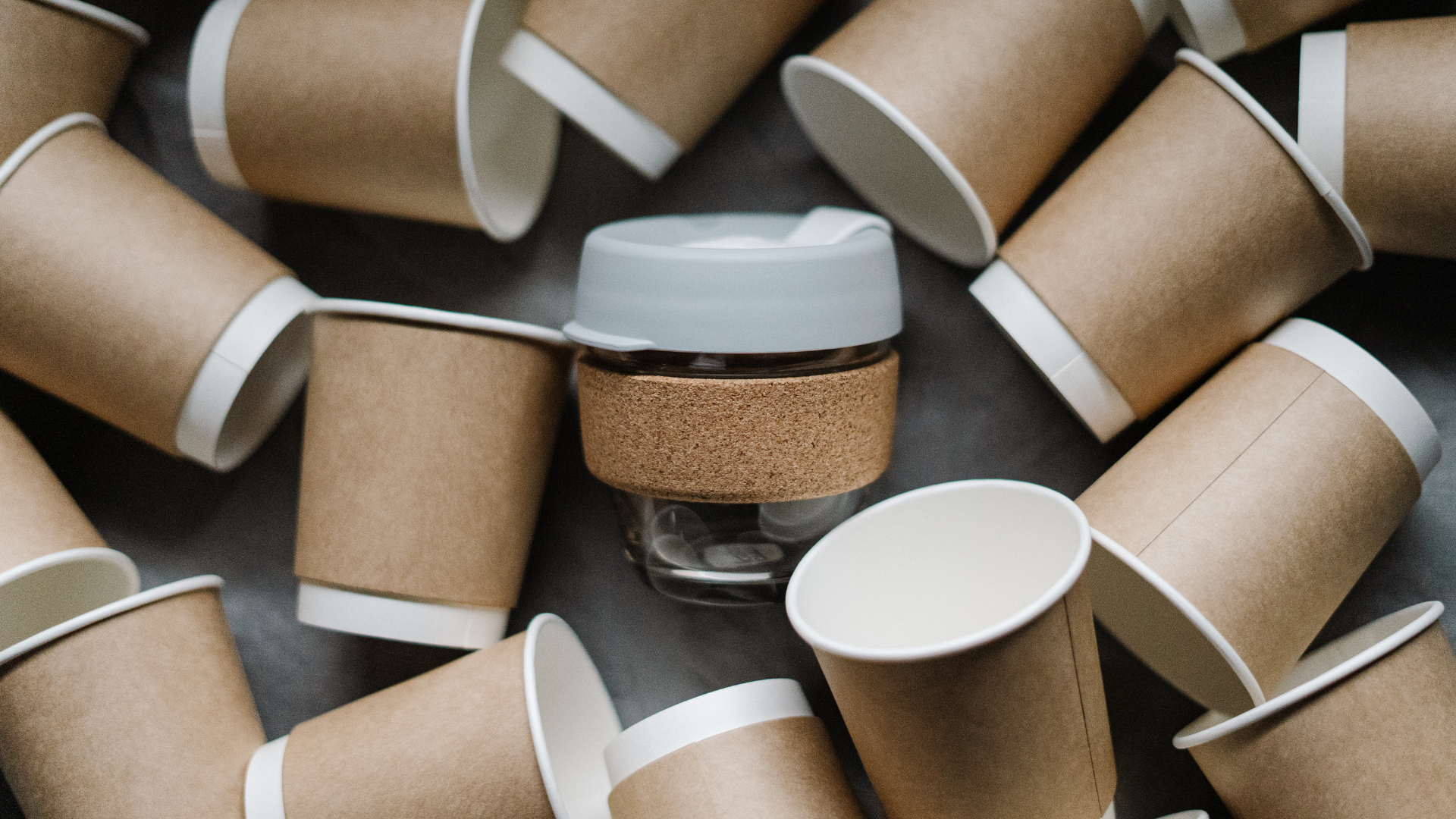
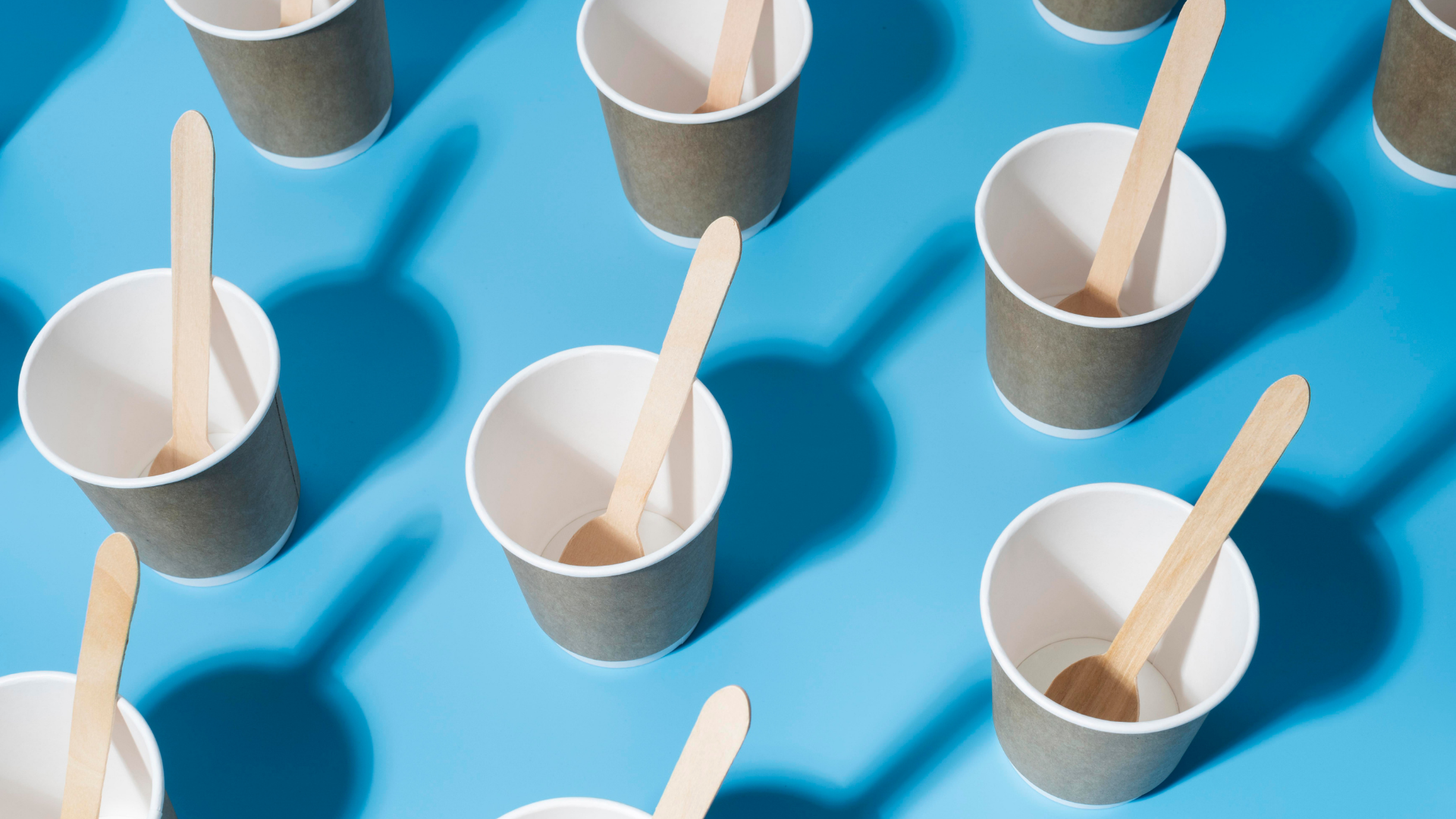
Aqueous coating paper cups use a water-based lining instead of plastic or PFAS chemicals, making them compostable, recyclable, and safe...
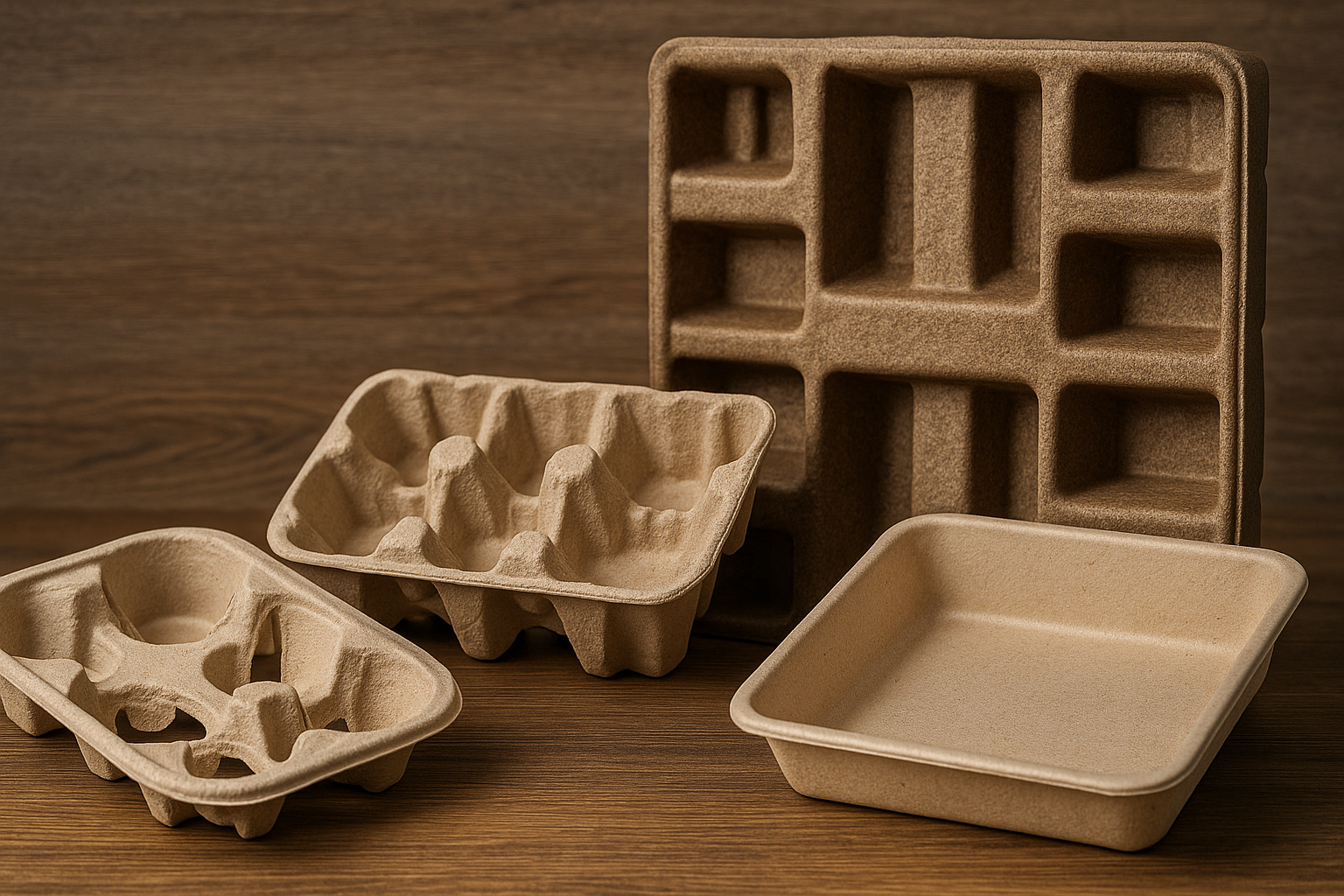
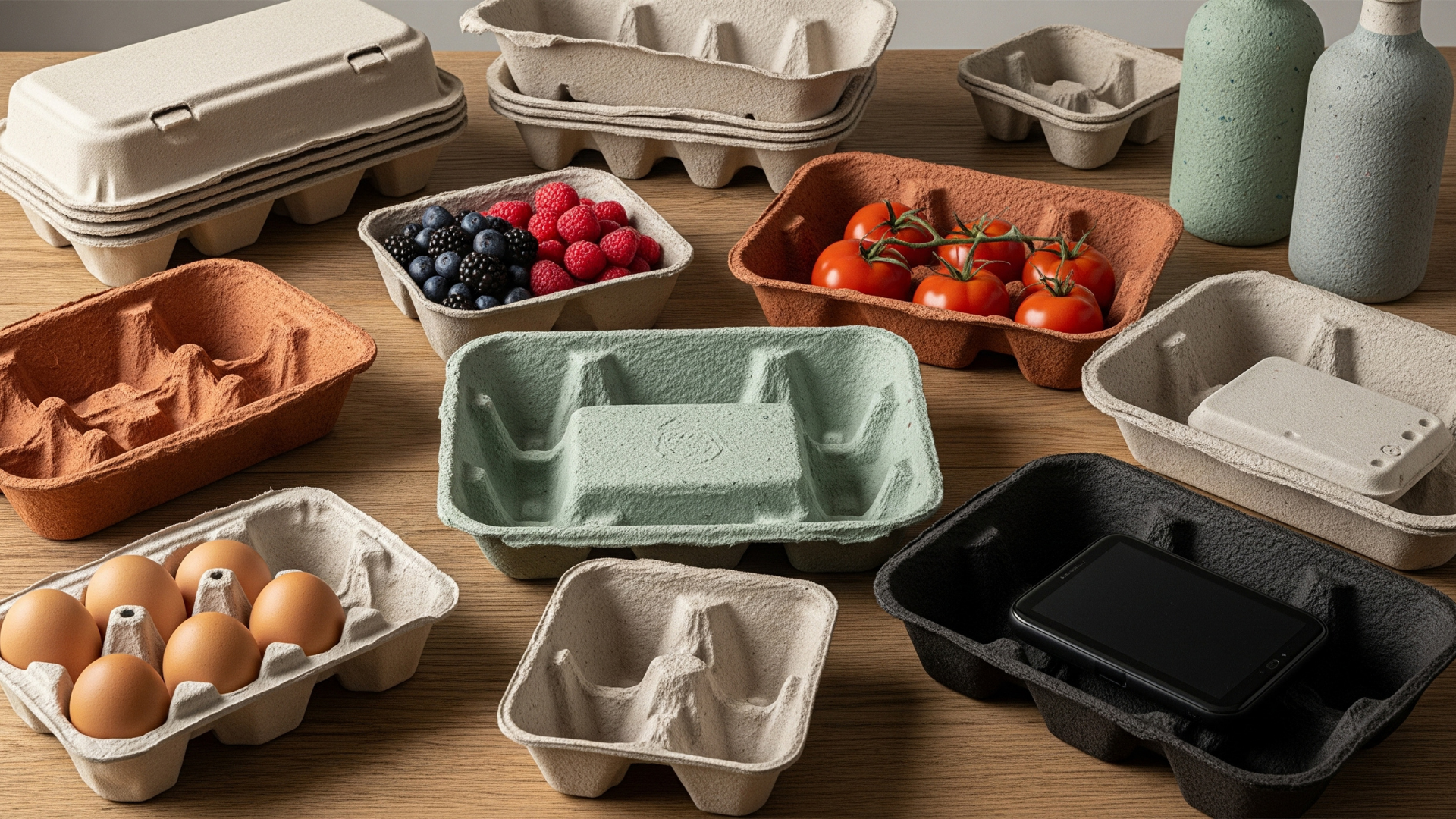
Molded pulp and molded fiber are often used interchangeably, but there’s a key difference: molded pulp refers to traditional, lower-strength...
As regulations tighten and businesses seek greener supply chain solutions, molded fiber pulp has emerged as one of the most...
Single-use beverage cups have long been a hallmark of food and beverage waste. Traditional plastic-lined paper cups are difficult to...
When “Green” Doesn’t Always Mean “Safe” You grab your morning coffee from a local café and feel good about the...
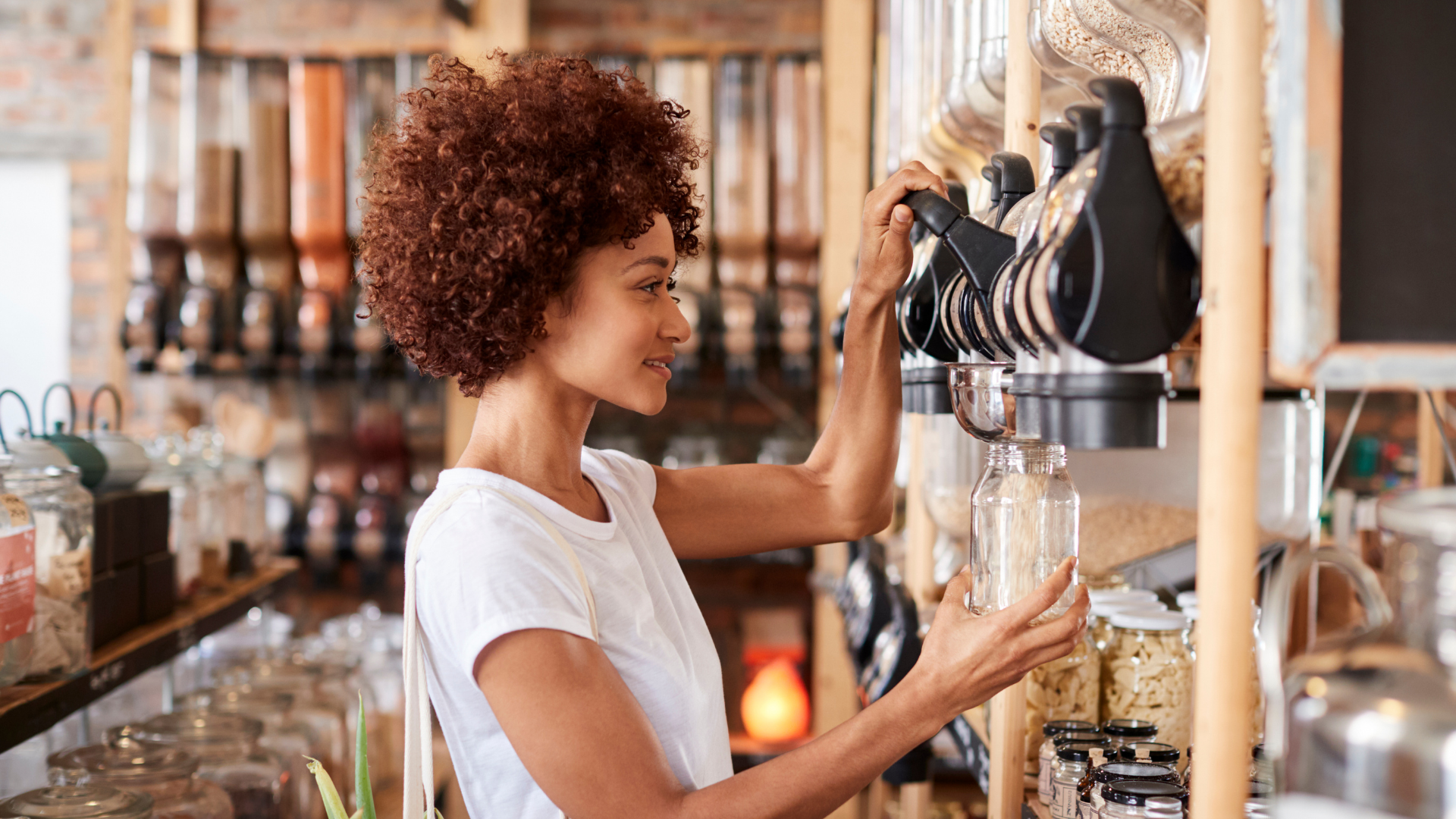
Why “single-use” is falling out of favor A new wave of returnable and refillable models is challenging the era of...
The wellness industry is booming and packaging is part of the story From gut-health snacks and adaptogenic teas to regenerative...
Plastic-free starts before the customer sees the bag Going “plastic-free” in foodservice is no longer just about the packaging a...
Plastic pollution has become one of the most urgent environmental challenges worldwide. To address this, over 170 countries have come...
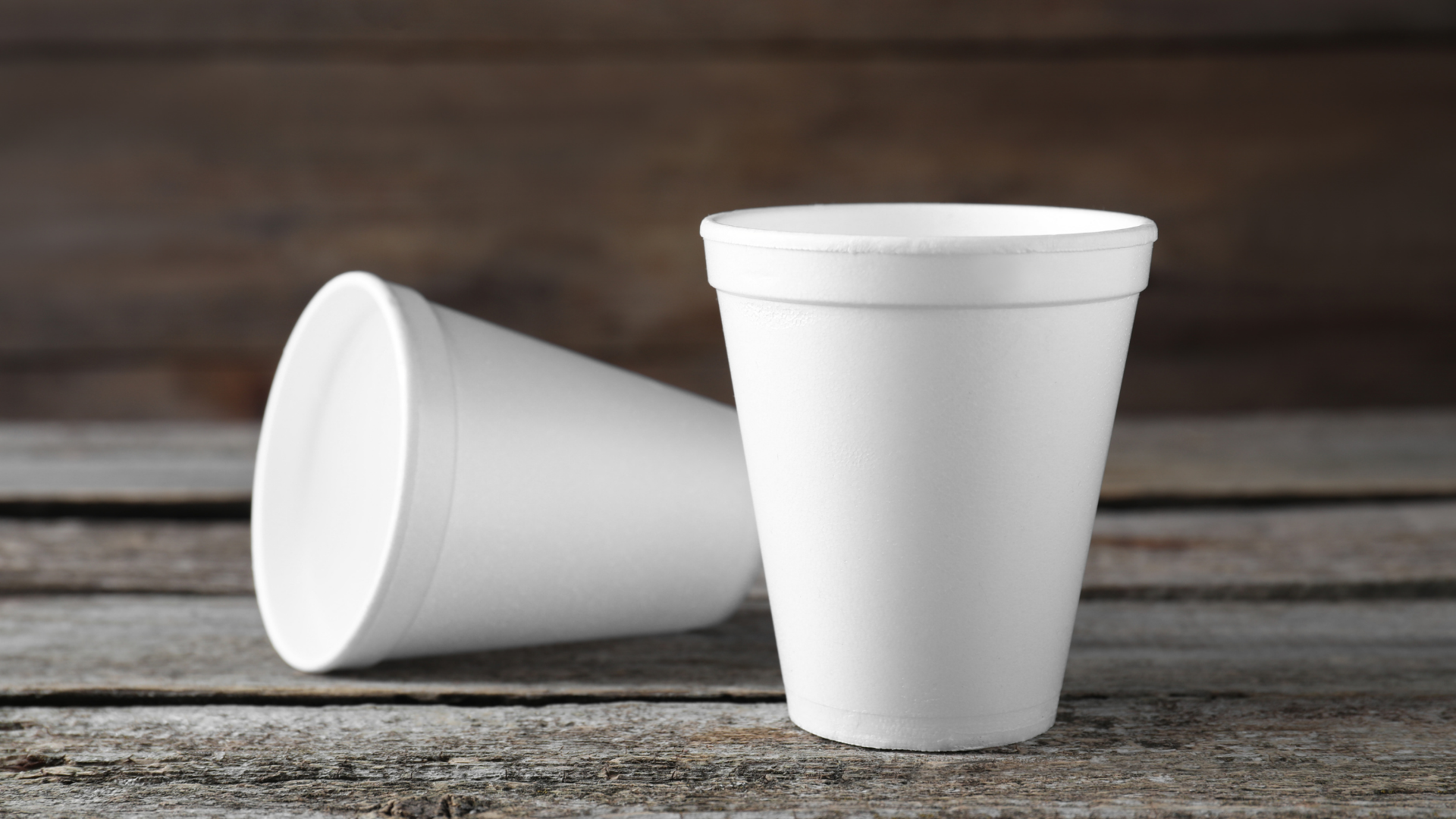
Foam cups were once the standard choice for coffee and hot beverages, prized for their insulation and low cost. However,...
Starting a backyard compost pile is easier than you think and way more rewarding than you’d expect. You’re basically turning...
Can eco-friendly packaging improve your bottom line? Indeed, the numbers support this for US food and beverage businesses. Sustainable packaging...
Why packaging matters more than ever for takeout and delivery In today’s off-premises dining economy, packaging isn’t just a container;...
Why minimalism is dominating modern food packaging design Across shelves, takeout bags, and e-commerce boxes, a quiet revolution is underway....